




【新連載】フィリピン駐在スタッフ・マウリーンの現地レポート
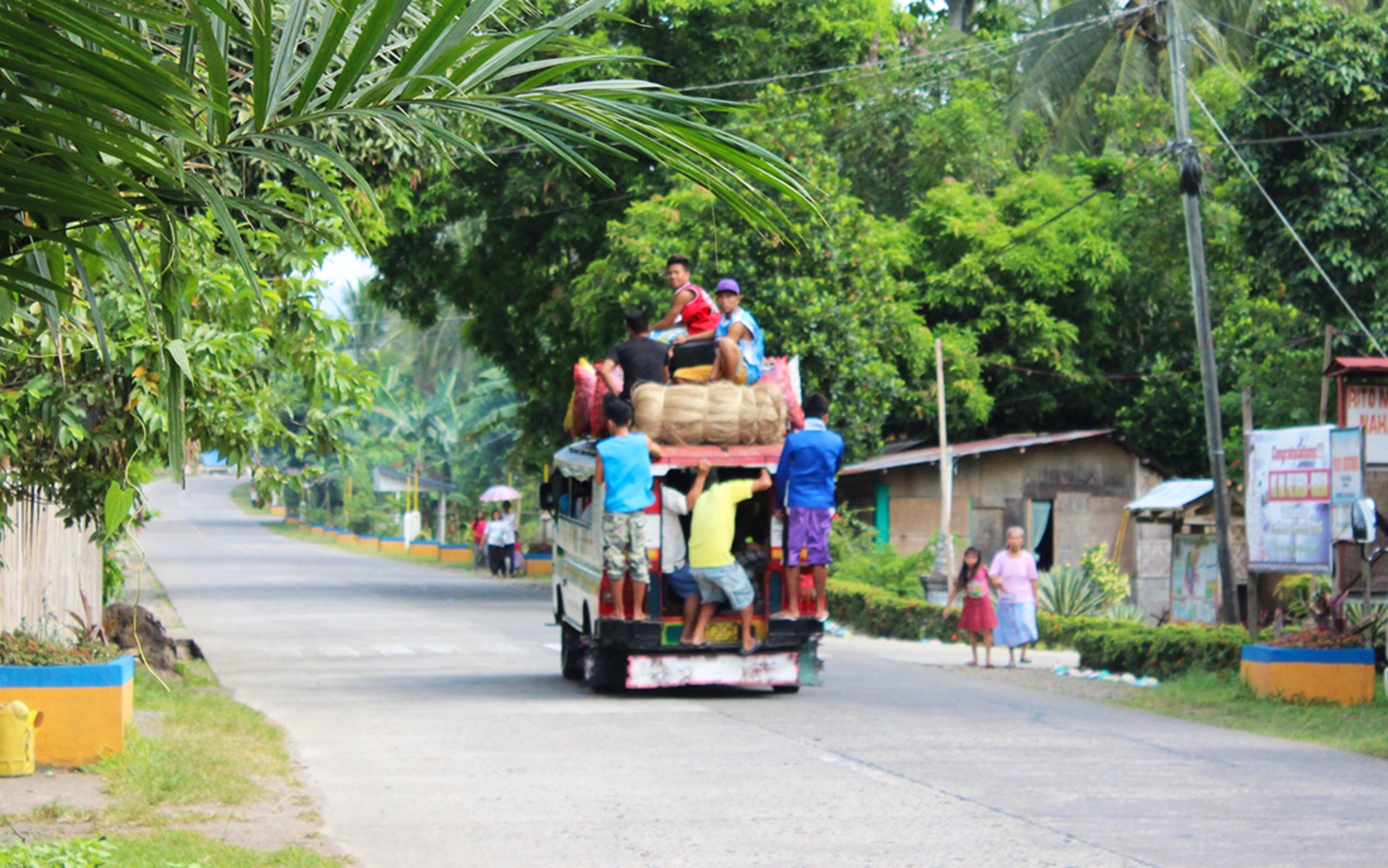
私たちの製品であるココナッツオイル。その故郷は、フィリピンにあります。 ココウェルにとってフィリピンは、単なる「生産地」ではありません。共に歩み、共に成長してきた、かけがえのない大切なパートナーです。 現在、世界的な燃料価格の高騰は、現地の生産者たちの暮らしにも深刻な影響を及ぼしています。フィリピン政府は世界的な情勢不安を背景に、「エネルギー非常事態」を宣言。一時はディーゼル価格が1リットル160ペソ(約430円)を超えるなど、人々の暮らしを激しく揺さぶっています。この『燃料ショック』は単なる数字ではなく、私たちの生活そのものを変えようとしています。 記念すべき第1回は、「燃料価格の高騰が暮らしにどんな影響を与えているのか」に焦点を当て、駐在スタッフ・マウリーンの視点から現地をレポートします。 『燃料価格の高騰で、フィリピンの暮らしに広がる影響』 イランを巡る紛争の影響で原油市場が不安定になり、フィリピンでは燃料価格の高騰が続いています。こうした状況は、人々の暮らしや仕事、教育にも少しずつ影響を広げています。3月24日には、フィリピン政府が国家エネルギー非常事態を宣言しました。期間は1年間とされ、燃料や食料、医薬品、農産物を安定して供給するための対策が進められています。現在のところ、国内の燃料備蓄はおよそ45日分あると発表されています。 この状況を受けて、3月26日には200億ペソの緊急基金が動き出し、最大200万バレルの燃料を確保する計画も発表されました。フィリピンは中東からの輸入に大きく頼っているため、今回のような国際情勢の変化の影響を受けやすい状況にあります。4月15日にはマルコス大統領が、ASEANでの石油共有の仕組みについて早急な対応を呼びかけ、備蓄期間の見直しにも触れました。 特に大きな影響が出ているのが、運輸や物流の分野です。ロイター通信によると、あるジープニーの運転手は「以前は3往復で1,000ペソほど稼げていたのに、今は200ペソほどしか残らない」と話しています。各地で交通ストライキも起きており、燃料税や価格の仕組みを見直してほしいという声が強まっています。 フィリピンでは、ジープニーは日々の移動に欠かせない存在です。通勤や通学、買い物など、多くの人が日常的に利用しています。運転手は個人で運行していることが多く、収入は燃料費や運賃に大きく左右されます。そのため、燃料価格が上がると、運転手だけでなく利用する人たちにもすぐに影響が及びます。 農業への影響も見過ごせません。4月7日のロイター通信では、ベンゲット州の農家が、収穫して出荷しても人件費や輸送費、包装費がかさみ、結果的に赤字になってしまうため、野菜を畑で腐らせざるを得ない状況にあると伝えています。高地の野菜産地では買い手が減り、収穫を見送る農家も出てきているそうです。 また、教育や働き方にも変化が出ています。3月には、燃料価格の上昇に備えて在宅勤務やオンライン授業の導入を求める声が議会で高まりました。4月には、高等教育委員会(CHED)が、2025〜2026年度末までの一時的な措置として、大学やコミュニティカレッジの授業をすべてオンラインで行うことを認めています。政府機関でも週4日勤務の導入や、電力・燃料の使用を10〜20%減らす取り組みが進められています。 家計への影響も数字に表れています。3月のインフレ率は4.1%で、特に輸送費の上昇が目立ちました。ディーゼルは前年同月比で59.5%、ガソリンは27.3%上昇しています。負担を軽くするため、政府は4月13日に灯油とLPGへの課税を一時的に停止しましたが、ガソリンやディーゼルの価格への影響は大きくないのでは、という見方もあります。銀行も、返済の猶予や手数料の見直しなどで支援を行っています。 一方で、4月21日からは燃料価格の値下がりも始まり、ディーゼルは1リットルあたり24.94ペソ、ガソリンは3.41ペソ下がりました。ただ、これまでの急激な価格上昇による影響は大きく、運輸や農業、物流、教育、そして家計への負担がすぐに軽くなるとは言えない状況です。4月20日には格付け会社フィッチも、エネルギー問題が経済や消費に影響を与えているとして、フィリピンの見通しを引き下げています。 Fuel Price Surge Disrupt Daily Life in the Philippines The conflict surrounding Iran has severely impacted the crude oil market, and soaring fuel prices in the Philippines are affecting daily life, employment, and education. On March 24th, the Philippine government declared a national energy emergency. The emergency is scheduled to last one year, and measures have been put in place to ensure a stable supply of fuel, food, medicine, and agricultural products, enabling faster procurement and response than usual. At this point, the government stated that domestic fuel stockpiles were enough for approximately 45 days at current consumption levels. In response to this situation, on March 26th, a 20 billion peso emergency fund was activated, and a plan was announced to procure up to 2 million barrels of fuel to support domestic supply. The Philippines is highly dependent on imports from the Middle East and is therefore particularly vulnerable to geopolitical risks like this. On April 15th, President Marcos called for immediate action on the ASEAN oil sharing framework and indicated his intention to raise the legally mandated oil reserve period. The impact of high fuel prices is most strongly felt in transportation and logistics. In March, Reuters reported that a jeepney driver said, "I used to be able to earn at least 1,000 pesos for three round trips, but now I only have 200 pesos left." Transportation strikes have occurred nationwide, and calls for a review of fuel taxes and pricing systems are growing stronger. This situation is critical in the Philippines because jeepneys are not just a mode of transport, they are very important for daily mobility. Millions of Filipinos rely on jeepneys as their primary and affordable way to commute to work, school, and essential services. Jeepneys operate through independent drivers whose income is tied to daily fuel costs and passenger fares. When fuel prices rise, both drivers and commuters immediately feel the strain. The impact on agriculture is also serious. A Reuters report on April 7 described farmers in Benguet province who were forced to let their vegetables rot in the fields because they were losing money on labor, transportation, and packaging costs even after harvesting and shipping. In highland vegetable-producing areas, fewer buyers are reportedly leading some farmers to stop harvesting altogether. Education and work schedule arrangements are also being affected. In March, there was a growing movement in parliament to call for working from home and online classes as a way to prepare for rising fuel prices. Furthermore, in April, the Higher Education Commission (CHED) authorized 100% online classes at universities and community colleges as a temporary measure until the end of the 2025-2026 academic year. Government agencies have introduced a four-day work week and have announced plans to reduce electricity and fuel use by 10-20%. The impact on household finances is also reflected in the figures. Inflation in March was 4.1%, with transportation costs being particularly high. Diesel prices rose 59.5% year-on-year, gasoline prices rose 27.3%, and the transportation sector index rose 9.9% year-on-year. To alleviate this burden, the government temporarily suspended taxes on kerosene and LPG on April 13th, but within the government, there is a view that the effect on retail prices for gasoline and diesel will be limited even if taxes are lowered. Banks have also taken measures to encourage repayment deferrals and reductions in online fees for affected households and businesses. On the other hand, price reductions have also begun, with diesel prices falling by 24.94 pesos per liter and gasoline by 3.41 pesos per liter starting April 21st. However, the burden placed on transportation, agriculture, logistics, education, and households by this sharp rise will not be relieved anytime soon. On April 20th, credit rating agency Fitch lowered its outlook for the Philippines, citing the energy shock as it pressures growth and household consumption. Source: https://www.gmanetwork.com/regionaltv/news/113797/canlaon-farmers-call-for-help-amid-losses-triggered-by-fuel-crisis/story/?fbclid=IwY2xjawRVIEVleHRuA2FlbQIxMABicmlkETFPc29qZG5BSW1mUk5KeGNSc3J0YwZhcHBfaWQQMjIyMDM5MTc4ODIwMDg5MgABHswJBtNdiQ7d60WdDnNguMJmzkmCgMzKPRSpg0qJ9O521qEdEZp7d66i8TVU_aem_GWyMvG-VatfkdS0IyMHDNw/